
California Sexual Harassment Lawyer for Employees
As a California sexual harassment lawyer, Milan Chatterjee represents employees in San Bernardino and Riverside Counties who faced unwanted advances, sexual comments, quid pro quo demands or a hostile work environment. California's harassment protections apply to employers of any size, and the harasser can be held personally responsible.
Free, confidential. We respond within minutes.

2 States
Admitted to the State Bars of Nevada and California

Fortune 500
Former in-house counsel, Las Vegas Sands Corp.

UCLA Law
Law degree, UCLA School of Law; visiting student, NYU Law

As Seen In
Bloomberg Law and the Las Vegas Review-Journal
2 States
Admitted to the State Bars of Nevada and California
Fortune 500
Former in-house counsel, Las Vegas Sands Corp
UCLA Law
Law degree, UCLA School of Law; visiting student, NYU Law
As Seen In
Bloomberg Law and the Las Vegas Review-Journal
What You Can Recover in a Sexual Harassment Claim
Sexual harassment cases often turn on the harm it causes, not only lost pay. Emotional distress damages are not capped under FEHA, and the court can order the employer to pay your attorney's fees. As your California sexual harassment lawyer, our job is to document every loss.
Financial damages you can recover
Beyond the money
Sexual Harassment Under California Law
FEHA prohibits harassment because of sex, gender, gender identity, gender expression and sexual orientation at every employer, regardless of size (Gov. Code 12940(j)). These are the situations a California sexual harassment lawyer sees most often.
Quid Pro Quo Harassment
Quid pro quo harassment happens when a supervisor or manager ties a job benefit, such as a raise, schedule, promotion or keeping your job, to accepting sexual advances, or punishes you for refusing them. A single demand can be enough.
Employer Responsibility: Under FEHA, the employer is generally responsible for harassment by a supervisor, even if it did not know about it (Gov. Code 12940(j)(1)).
Hostile Work Environment
Unwanted touching, sexual comments, jokes, images, messages or repeated requests for dates can create a hostile work environment. California law says harassment does not need to cause a loss in productivity, and a single incident can be enough when it is serious (Gov. Code 12923).
Harassment by Coworkers, Customers and Contractors
Harassment by a coworker, customer or vendor is also illegal. The employer is responsible if it knew or should have known about it and failed to take immediate and appropriate corrective action (Gov. Code 12940(j)(1)). Employers must take all reasonable steps to prevent harassment (Gov. Code 12940(k)).
Personal Liability: The individual harasser can be held personally liable under FEHA, separately from the employer (Gov. Code 12940(j)(3)).
Gender, Sexual Orientation and Same-Sex Harassment
Harassment does not have to involve sexual desire. Hostility toward you because of your gender, gender identity, gender expression or sexual orientation, including repeated misgendering or comments about how you should look or act, is also prohibited, and the harasser can be the same sex as you.
What We Look For: The pattern of conduct, who knew about it, and what the employer did after it was reported.
Unsure Whether You Have a Case?
Tell us what happened, in confidence. We will give you an honest assessment of your rights under California law.
Investigation, Aggressive Pursuit, Maximum Recovery
When you hire a California sexual harassment lawyer at our firm, your case moves through three phases, handled with discretion at every step.
We listen to your account, preserve messages and other evidence, and request your personnel file (Lab. Code 1198.5). We review what was reported, when, and how the employer responded, and identify every deadline.
We file your complaint with the California Civil Rights Department (CRD), and with the EEOC when federal claims apply. Depending on your goals, we pursue an investigation and mediation, or request an immediate right-to-sue notice and file in court.
We negotiate from a position of strength and prepare every case as if it will go to trial. As former in-house counsel, Milan knows how employers evaluate risk and what moves them to settle.
California Workers We Fight For
Our California sexual harassment lawyer represents employees across the Inland Empire's largest industries.

Warehousing & Logistics
Harassment by leads and supervisors on night shifts and in isolated work areas.

Health Care
Harassment by physicians, supervisors and patients in hospitals and clinics.

Restaurants & Hospitality
Harassment by managers and customers, often tied to shifts and tips.

Retail
Unwanted advances from managers who control schedules and hours.

Construction & Trades
Sexual comments, images and hostility toward women and LGBTQ workers on job sites.

Corporate & Professional
Harassment by executives, at off-site events and through messaging apps.
What To Do in the First 7 Days
Your safety comes first. If you are in danger, call 911. These steps protect your rights whether you still work there or have already left.

Write Down What Happened
Record dates, places, exact words or actions, and anyone who saw or heard it. Notes written close to the event carry weight.

Save Messages and Images
Screenshot texts, emails, social media and chat messages, and keep them somewhere other than a work device. Do not take confidential company files.

Report It in Writing
Report the harassment to HR or a manager in writing and keep a copy. Reporting is protected activity, and retaliation for it is illegal (Gov. Code 12940(h)).

Call an Employee Rights Lawyer
Before signing any agreement, release or statement, call (888) 785-9923 for a free, confidential consultation.
Learn More About Sexual Harassment Claims in California
California employers with 5 or more employees must train supervisors and employees on preventing sexual harassment every two years (Gov. Code 12950.1). In most cases, settlement agreements for sexual harassment claims cannot stop you from sharing the facts of what happened, though you can ask to keep your own identity private (Code Civ. Proc. 1001). Federal law also allows employees to bring sexual harassment claims in court even if they signed an arbitration agreement. These resources explain the rules in more detail.
Evidence That Can Strengthen a Sexual Harassment Claim
Many harassment cases include direct evidence: texts, emails, chat messages, images and social media posts from the harasser. Your own notes, written reports to HR, and the employer's response, or lack of one, show what the company knew and when.
Coworkers who saw the conduct or experienced it themselves, changes in your schedule or duties after you refused or reported, and counseling or medical records all help. A California sexual harassment lawyer organizes this evidence into a clear story for the CRD, a mediator or a jury.
Sexual Harassment Claims and California Employment Law
State and federal law both protect against sexual harassment, with different coverage and deadlines. Talk to an attorney before relying on any deadline.
Sexual Harassment Rights and Claim Deadlines
| Right or claim | What it provides | Deadline or limit | Source |
|---|---|---|---|
| FEHA harassment protection | Applies to employers of any size | Any employer | Gov. Code 12940(j) |
| FEHA complaint | Harassment, failure to prevent, retaliation | 3 years from the unlawful act | Gov. Code 12960 |
| FEHA lawsuit | Lawsuit in Superior Court | 1 year from the right-to-sue notice | Gov. Code 12965 |
| Federal charge (Title VII) | EEOC charge | 300 days | 42 U.S.C. 2000e-5(e) |
| Harassment prevention training | Supervisors 2 hours, employees 1 hour | Every 2 years (5+ employees) | Gov. Code 12950.1 |
Frequently Asked Questions About Sexual Harassment in California
Sexual harassment includes unwanted sexual advances, requests for sexual favors, and verbal, visual or physical conduct of a sexual nature or based on sex, gender, gender identity or sexual orientation. It is illegal when a job benefit depends on it (quid pro quo) or when it creates a hostile work environment (Gov. Code 12940(j)).
Yes. FEHA's harassment protections apply to employers of any size, including employers with fewer than 5 employees. They also protect unpaid interns, volunteers and contractors (Gov. Code 12940(j)).
It can. California law states that a single incident of harassing conduct can be enough to create a hostile work environment, and that harassment does not need to reduce your productivity to be illegal (Gov. Code 12923).
Yes. Under FEHA, an employee who harasses a coworker can be held personally liable, whether or not the employer knew about it (Gov. Code 12940(j)(3)). The employer may also be responsible, especially when the harasser is a supervisor.
Generally 3 years from the harassment to file a complaint with the California Civil Rights Department (Gov. Code 12960), and 1 year after the right-to-sue notice to file a lawsuit (Gov. Code 12965). Federal EEOC charges are generally due within 300 days.
In most cases, no. California law prohibits settlement terms that prevent you from disclosing factual information about a sexual harassment or FEHA harassment claim. At your request, a settlement can protect your identity, and the settlement amount can be kept confidential (Code Civ. Proc. 1001).
Generally no. Under the federal Ending Forced Arbitration of Sexual Assault and Sexual Harassment Act, an employee can choose to bring a sexual harassment claim in court even after signing a pre-dispute arbitration agreement. An attorney should review any agreement you signed.
Yes. We represent employees throughout San Bernardino and Riverside Counties in California sexual harassment claims, with free, confidential consultations in English or Spanish. Call (888) 785-9923.
Harassed at Work? Talk to a California Sexual Harassment Lawyer.
ell us what happened, in confidence. The consultation is free.
Servicios relacionados para empleados
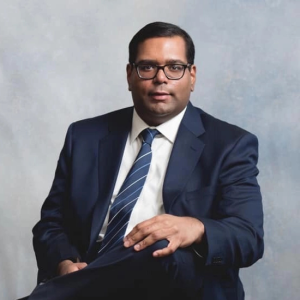
Milan Chatterjee
UCLA Law Graduate. Former in-house counsel at Las Vegas Sands Corp. Nevada & California Bar. Founding President, South Asian Bar Assoc. of Las Vegas.